Useful links
Home Renewable Energy Financing Renewable Energy Policy Energy Storage Solutions Energy Efficiency
Home Renewable Energy Financing Renewable Energy Policy Energy Storage Solutions Energy Efficiency
Category : | Sub Category : Posted on 2023-10-30 21:24:53
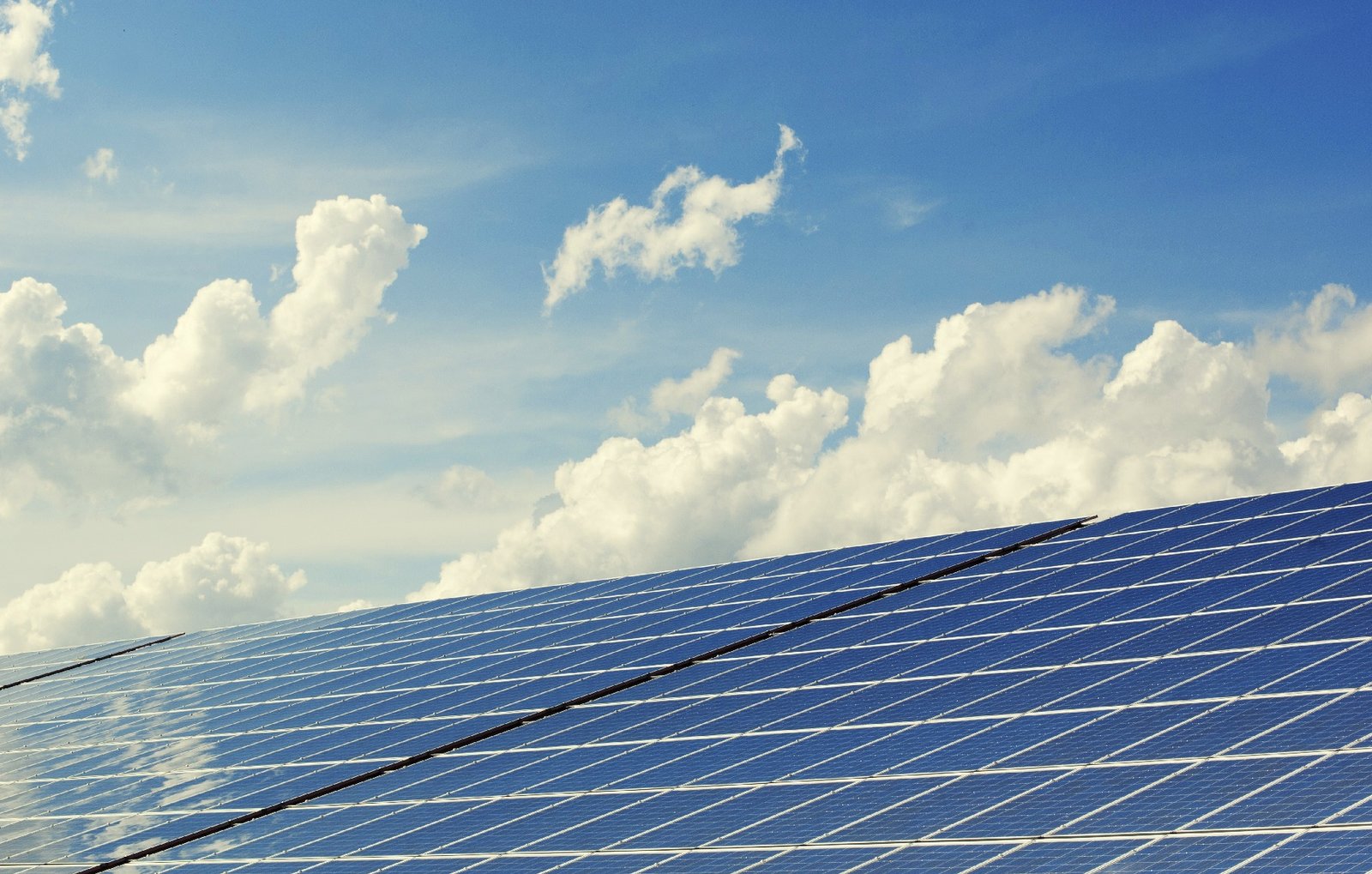
Introduction: Uzbekistan, a Central Asian country known for its rich cultural heritage and ancient Silk Road history, is now aiming to make its mark in the global transition to clean energy. Recognizing the urgent need to address climate change and diversify its energy sources, Uzbekistan has embarked on an ambitious journey towards renewable energy development. This blog post explores Uzbekistan's commitment to renewable energy and its collaborative efforts with the international community to pave the way for a sustainable future. Renewable Energy in Uzbekistan: Traditionally reliant on fossil fuels for its energy needs, Uzbekistan is now making significant strides towards renewable energy adoption. The country has abundant natural resources, including solar, wind, and hydropower potential, which it seeks to harness in its transition to a greener and more sustainable energy future. Solar Power: With around 300 sunny days per year, Uzbekistan has immense solar power potential. The government has initiated several solar projects, including the construction of large-scale solar farms, as well as the installation of solar panels on residential and commercial buildings. These efforts not only reduce reliance on fossil fuels but also contribute to the overall energy independence of the country. Wind Power: Uzbekistan's vast plains and mountainous regions create favorable conditions for wind power generation. The government is actively supporting wind energy projects by offering incentives to local and international investors. Collaborating with experienced partners, Uzbekistan aims to tap into its wind resources to diversify its energy mix and reduce carbon emissions. Hydropower: The country's rivers, such as the Amu Darya and Syr Darya, provide great potential for hydropower generation. Uzbekistan is investing in the modernization of its existing hydroelectric plants, as well as exploring new sites for further development. By harnessing the power of water, Uzbekistan can not only generate clean electricity but also improve water management and irrigation systems for agricultural purposes. International Collaboration: Recognizing the global nature of climate change, Uzbekistan understands the importance of collaborative efforts in achieving sustainable development. The country has actively sought partnerships and support from international organizations and countries experienced in renewable energy. United Nations Development Programme (UNDP): Uzbekistan has been working closely with the UNDP to develop the renewable energy sector. The UNDP provides technical assistance, capacity building, and access to funding to support the country's clean energy initiatives. Through this collaboration, Uzbekistan has benefited from knowledge sharing, best practices, and the implementation of innovative solutions. European Bank for Reconstruction and Development (EBRD): The EBRD has played a crucial role in financing and promoting renewable energy projects in Uzbekistan. By working together, the EBRD and Uzbekistan have successfully implemented solar and wind projects, attracting private investments, and stimulating the country's renewable energy market. Collaborative International Initiatives: Uzbekistan has actively participated in international initiatives such as the Paris Agreement and the Sustainable Development Goals (SDGs). By aligning its renewable energy targets with global goals, Uzbekistan showcases its commitment to a sustainable future and opens doors for further collaboration with other countries in the pursuit of clean energy transition. Conclusion: Uzbekistan's dedication to renewable energy and international collaboration marks a significant milestone in its journey towards a sustainable future. By harnessing its abundant natural resources and partnering with international organizations and countries experienced in clean energy, Uzbekistan is well-positioned to become a regional leader in renewable energy. As the country continues to prioritize the development of solar, wind, and hydropower, it not only mitigates climate change impacts but also promotes economic growth, energy security, and a greener environment for future generations. Click the following link for more http://www.keralachessyoutubers.com


