Useful links
Home Renewable Energy Financing Renewable Energy Policy Energy Storage Solutions Energy Efficiency
Home Renewable Energy Financing Renewable Energy Policy Energy Storage Solutions Energy Efficiency
Category : | Sub Category : Posted on 2023-10-30 21:24:53
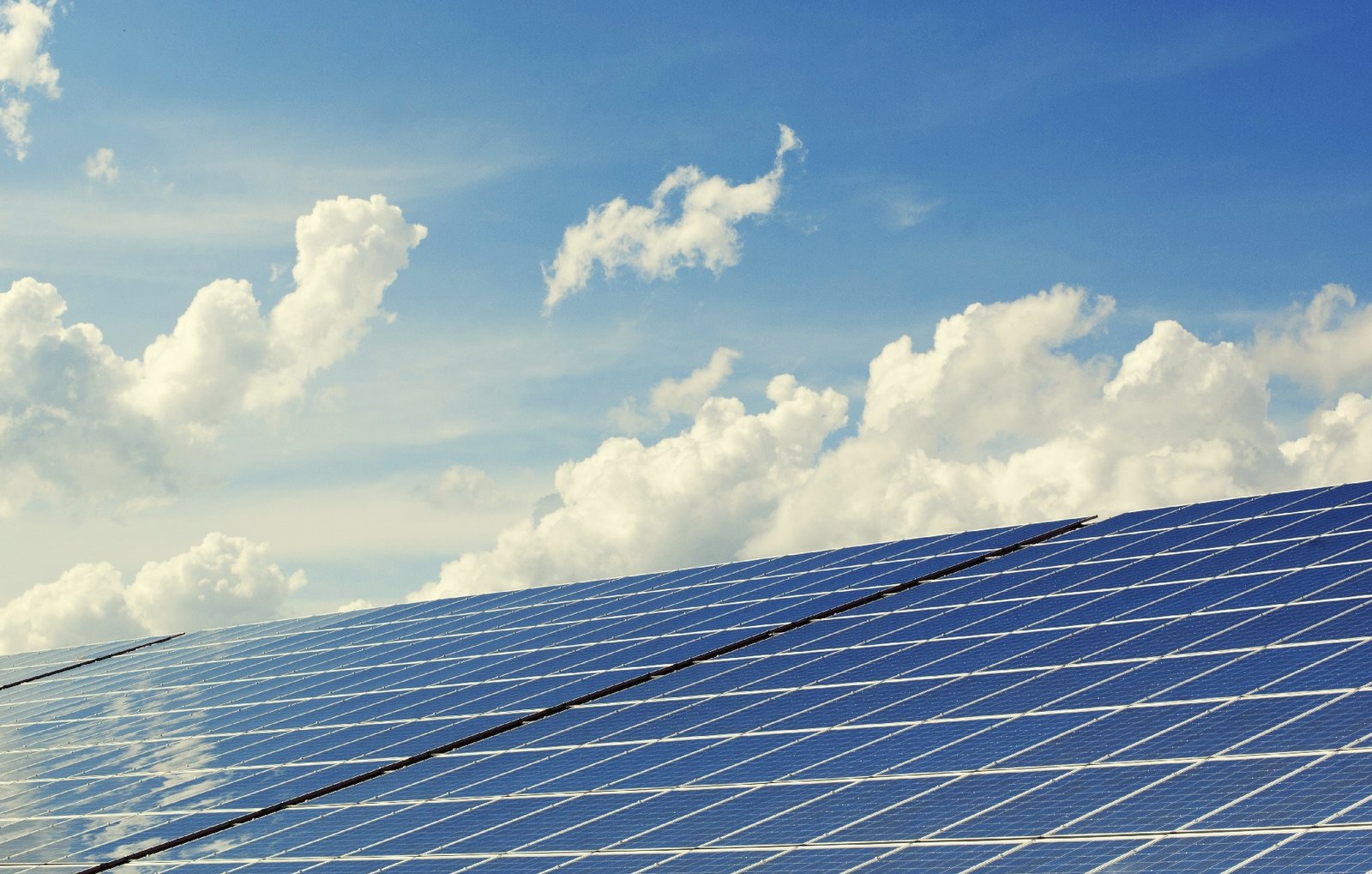
Introduction: In recent years, Rwanda has emerged as a shining example in Africa when it comes to renewable energy adoption. The country has made significant strides in promoting access to clean and sustainable energy for its citizens, particularly in the realm of renewable energy for homes. In this blog post, we will explore the impressive efforts and initiatives undertaken by Rwanda to harness renewable energy sources, providing its citizens with a brighter, greener, and more sustainable future. 1. The Power of Hydroelectricity: Rwanda is abundantly blessed with a vast network of rivers and lakes, making hydroelectricity a natural choice for the country's renewable energy production. The government has invested heavily in hydroelectric projects such as the 28.08 MW Nyabarongo Hydro Power Project and the 47 MW Ruzizi III Hydro Power Project. These initiatives not only generate electricity for the national grid but also contribute to the electrification of remote areas, ensuring no household is left in the dark. 2. Tapping into Solar Energy: Recognizing the potential of solar energy, Rwanda has embarked on an ambitious plan to install solar power systems in homes across the country. One notable initiative is the Scaling-Up Renewable Energy Program (SREP), which aims to install 3,000 solar home systems in rural areas. By providing solar panels and battery storage solutions, the government is empowering households to generate their electricity, reducing reliance on traditional fossil fuels and enhancing energy security. 3. Biogas: A Sustainable Cooking Solution: In addition to electricity generation, Rwanda has prioritized the use of biogas as an alternative cooking fuel. Through the Rwanda Domestic Biogas Program, thousands of households have adopted biogas digesters, which convert agricultural waste and livestock manure into clean, renewable energy. This innovative approach not only reduces greenhouse gas emissions but also improves indoor air quality and minimizes the health risks associated with traditional cooking methods. 4. Powering Communities with Mini Grids: Rwanda's commitment to renewable energy extends beyond individual households. The government has facilitated the development of mini-grids, which provide electricity to entire communities, particularly in remote areas where national grid connectivity may be a challenge. These localized energy distribution networks, powered by a combination of renewable sources like solar, hydro, and wind, ensure that even the most underserved communities have access to reliable and affordable electricity. 5. Government Support and Public Awareness: The success of Rwanda's renewable energy initiatives can be attributed to strong government support and the active involvement of the public. The government has implemented favorable policies and incentives to attract investments in the renewable energy sector. Public awareness campaigns have also played a crucial role in promoting the benefits of renewable energy adoption, encouraging citizens to embrace sustainable practices and make informed choices regarding their energy consumption. Conclusion: Rwanda's remarkable progress in promoting renewable energy for homes is a testament to the nation's commitment to a sustainable future. By harnessing the power of hydroelectricity, solar energy, biogas, and mini-grids, the country is not only improving access to electricity but also reducing its carbon footprint. Rwanda's success story serves as an inspiration for other nations, demonstrating that with political will, innovative solutions, and citizen participation, a cleaner and more sustainable energy future is within reach for all. If you are enthusiast, check the following link http://www.keralachessyoutubers.com


