Useful links
Home Renewable Energy Financing Renewable Energy Policy Energy Storage Solutions Energy Efficiency
Home Renewable Energy Financing Renewable Energy Policy Energy Storage Solutions Energy Efficiency
Category : | Sub Category : Posted on 2023-10-30 21:24:53
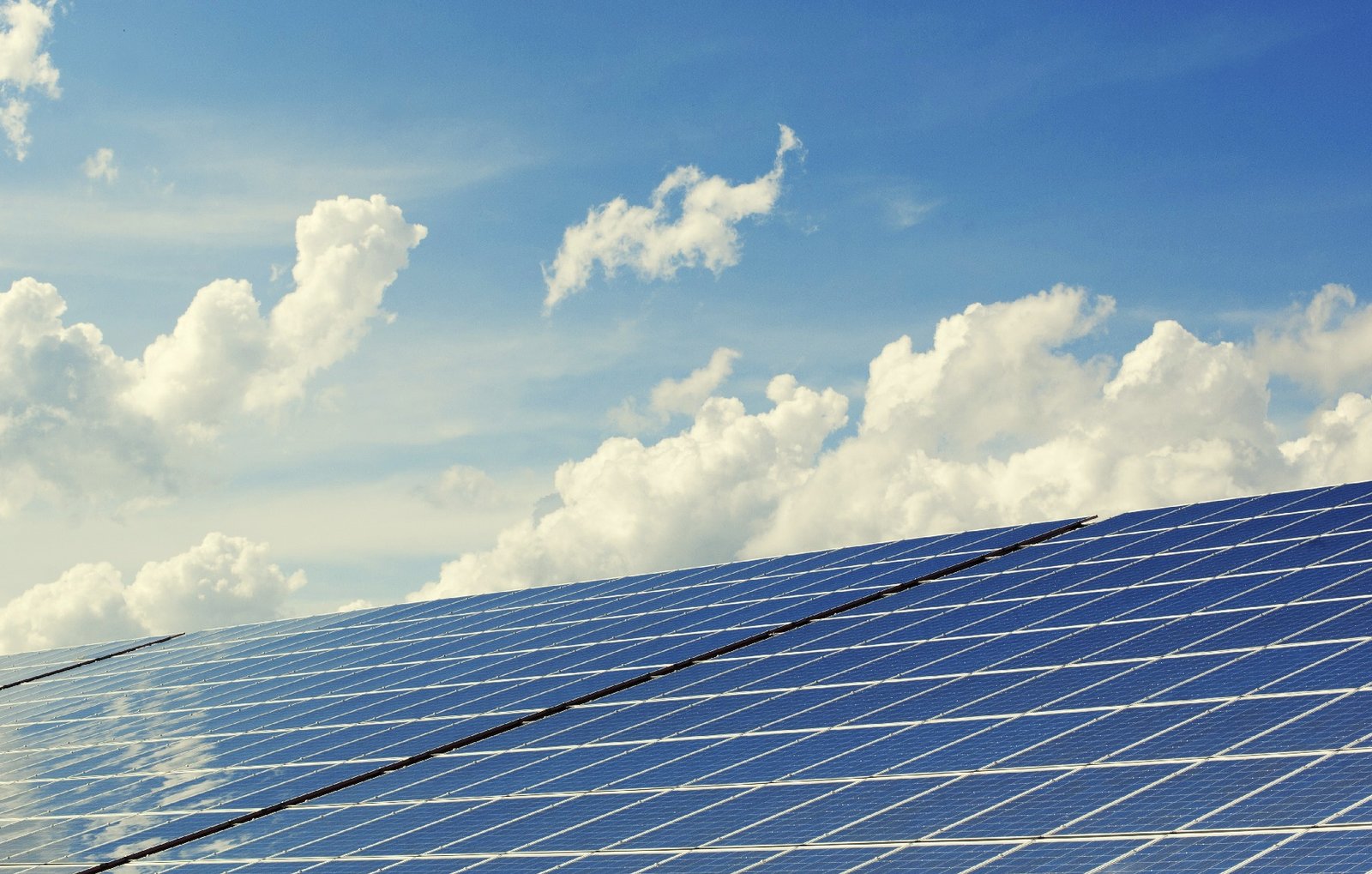
Introduction: In recent years, the world has seen a growing movement towards renewable energy sources as we become increasingly aware of the need to protect our planet's natural resources. At the same time, culinary traditions continue to captivate us, showcasing the rich cultural tapestry of different regions. In this blog post, we will dive into the fascinating intersection of renewable energy and Mozambican cuisine, discovering how these two seemingly distinct topics can be intertwined. Harnessing Renewable Energy in Mozambique: Mozambique, a country located in southeastern Africa, boasts a wealth of natural resources. With over 2,700 kilometers of coastline along the Indian Ocean, this nation has vast potential for harnessing renewable energy. Mozambique has already shown its commitment to sustainable development by investing in renewable energy projects such as solar farms and wind turbines. These initiatives play a crucial role in providing clean energy for the country and reducing reliance on fossil fuels. How Renewable Energy Impacts Mozambican Cuisine: Renewable energy advancements bring about significant positive changes to various aspects of Mozambican cuisine. For instance: 1. Food Preparation: Renewable energy sources, such as solar power, can be harnessed to fuel cooking devices like solar ovens. These ovens utilize sunlight to heat and cook food, removing the need for traditional fuelwood or charcoal. By reducing reliance on these unsustainable cooking fuels, renewable energy enables a more sustainable and eco-friendly approach to food preparation in Mozambican households and restaurants. 2. Food Preservation: Another way renewable energy influences Mozambican cuisine is through improved food preservation techniques. Access to reliable electricity, powered by renewable energy, enables refrigeration and freezing technologies, preserving food for longer periods. This is especially crucial in a country where spoilage and food waste have been persistent challenges. 3. Sustainable Farming Practices: Renewable energy also supports sustainable farming practices in Mozambique. Solar-powered irrigation systems provide an efficient and environmentally friendly means of watering crops, even in regions with limited access to grids or conventional energy sources. Additionally, clean energy technologies can power machinery used in agricultural production, reducing reliance on fossil fuels and contributing to a greener farming process. Preserving Culinary Traditions and Biodiversity: Renewable energy not only benefits the practical aspects of Mozambican cuisine but also helps preserve the country's diverse culinary traditions. Access to sustainable energy allows for the continuation of traditional cooking methods and the use of local ingredients, which are integral to Mozambique's gastronomic identity. Moreover, by promoting sustainable farming practices and reducing deforestation caused by the demand for cooking fuel, renewable energy contributes to preserving the country's rich biodiversity. Conclusion: The fusion of renewable energy and Mozambican cuisine brings about a multitude of benefits for both the environment and the culinary traditions of the country. By embracing renewable energy solutions, Mozambique is not only safeguarding its precious natural resources but also empowering its people, fostering sustainable livelihoods, and preserving its unique culinary heritage. As we continue to forge ahead in the pursuit of a greener world, it is essential to recognize and celebrate these remarkable intersections between sustainable energy and cultural practices. You can find more about this subject in http://www.africalunch.com To delve deeper into this subject, consider these articles: http://www.keralachessyoutubers.com


