Useful links
Home Renewable Energy Financing Renewable Energy Policy Energy Storage Solutions Energy Efficiency
Home Renewable Energy Financing Renewable Energy Policy Energy Storage Solutions Energy Efficiency
Category : | Sub Category : Posted on 2023-10-30 21:24:53
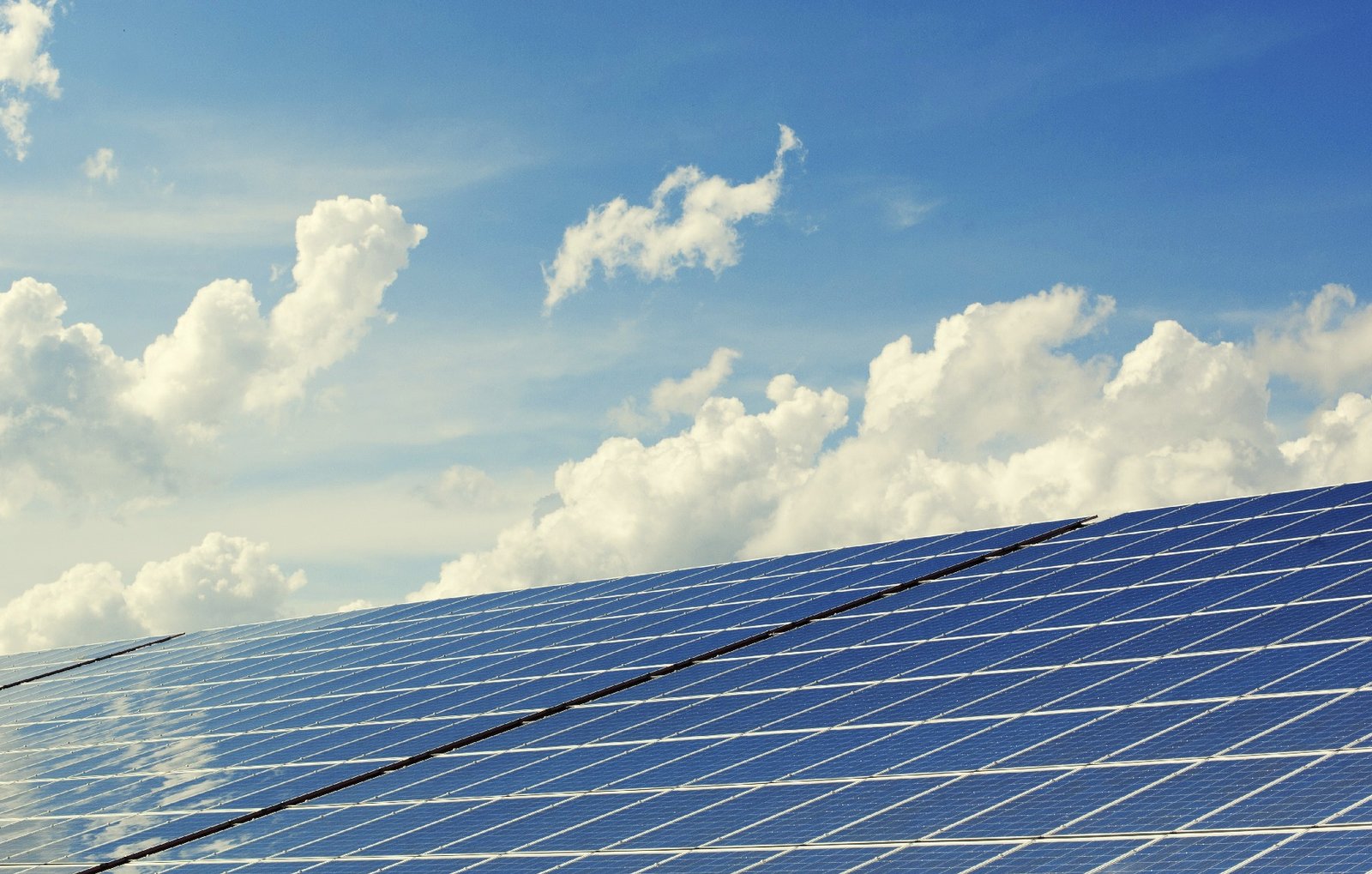
Introduction: In an era where climate change is a pressing concern and the media landscape is ever-evolving, understanding renewable energy and developing media literacy skills are crucial for building a sustainable future. By embracing renewable energy sources and being media literate, individuals can actively contribute to the transition towards a greener and more informed society. In this blog post, we will explore the relationship between renewable energy and media literacy, highlighting their importance and the collective impact they can have on shaping a sustainable world. Renewable Energy: Powering a Sustainable Future Renewable energy refers to energy derived from sources that are naturally replenished, such as sunlight, wind, water, and geothermal heat. Unlike fossil fuels, which contribute to greenhouse gas emissions and environmental degradation, renewable energy sources are clean, abundant, and sustainable. By harnessing these sources, we can reduce our carbon footprint, mitigate climate change, and preserve our planet for future generations. The Role of Media Literacy in the Renewable Energy Transition Media literacy, on the other hand, is the ability to access, analyze, evaluate, and create media content effectively. In today's digital age, where information is readily accessible through various media channels, media literacy is crucial for understanding and critically evaluating the information we encounter. When it comes to renewable energy, media literacy plays a vital role in differentiating accurate and reliable information from false or misleading claims. By being media literate, individuals can make informed decisions about renewable energy adoption, contribute to public discourse, and combat misinformation. Understanding the Energy Landscape: Media literacy empowers individuals to discern between legitimate scientific research and biased or inaccurate portrayals of renewable energy. It enables individuals to critically evaluate the sources of information and identify any underlying agendas or conflicts of interest. By improving media literacy, individuals can navigate the complex energy landscape and make informed decisions about renewable energy in their personal lives, communities, or even on a policy level. Addressing Misinformation and Greenwashing: Media literacy plays a crucial role in combating misinformation and greenwashing in the renewable energy sector. Greenwashing refers to the deceptive promotion of green practices or products by companies or organizations that are not genuinely committed to sustainability. By being media literate, individuals can identify and scrutinize greenwashing tactics, ensuring that they support genuinely sustainable and renewable energy initiatives. Promoting Renewable Energy through Media Channels: Media outlets have a substantial influence on public perceptions and attitudes towards renewable energy. Therefore, being media literate allows individuals to engage critically with media content and recognize the importance of accurate and nuanced reporting. By actively seeking out media sources that prioritize scientific accuracy, transparency, and unbiased reporting, individuals can contribute to the promotion and adoption of renewable energy on a broader scale. Conclusion: Renewable energy and media literacy are interconnected pillars for building a sustainable future. Understanding renewable energy sources and being media literate empowers individuals to make informed decisions, combat misinformation, and support the transition towards cleaner and more sustainable energy systems. By harnessing renewable energy and nurturing media literacy skills, we can collectively shape a greener and more informed world, paving the way for a sustainable future for all. To get more information check: http://www.semifake.com also click the following link for more http://www.keralachessyoutubers.com


