Useful links
Home Renewable Energy Financing Renewable Energy Policy Energy Storage Solutions Energy Efficiency
Home Renewable Energy Financing Renewable Energy Policy Energy Storage Solutions Energy Efficiency
Category : | Sub Category : Posted on 2023-10-30 21:24:53
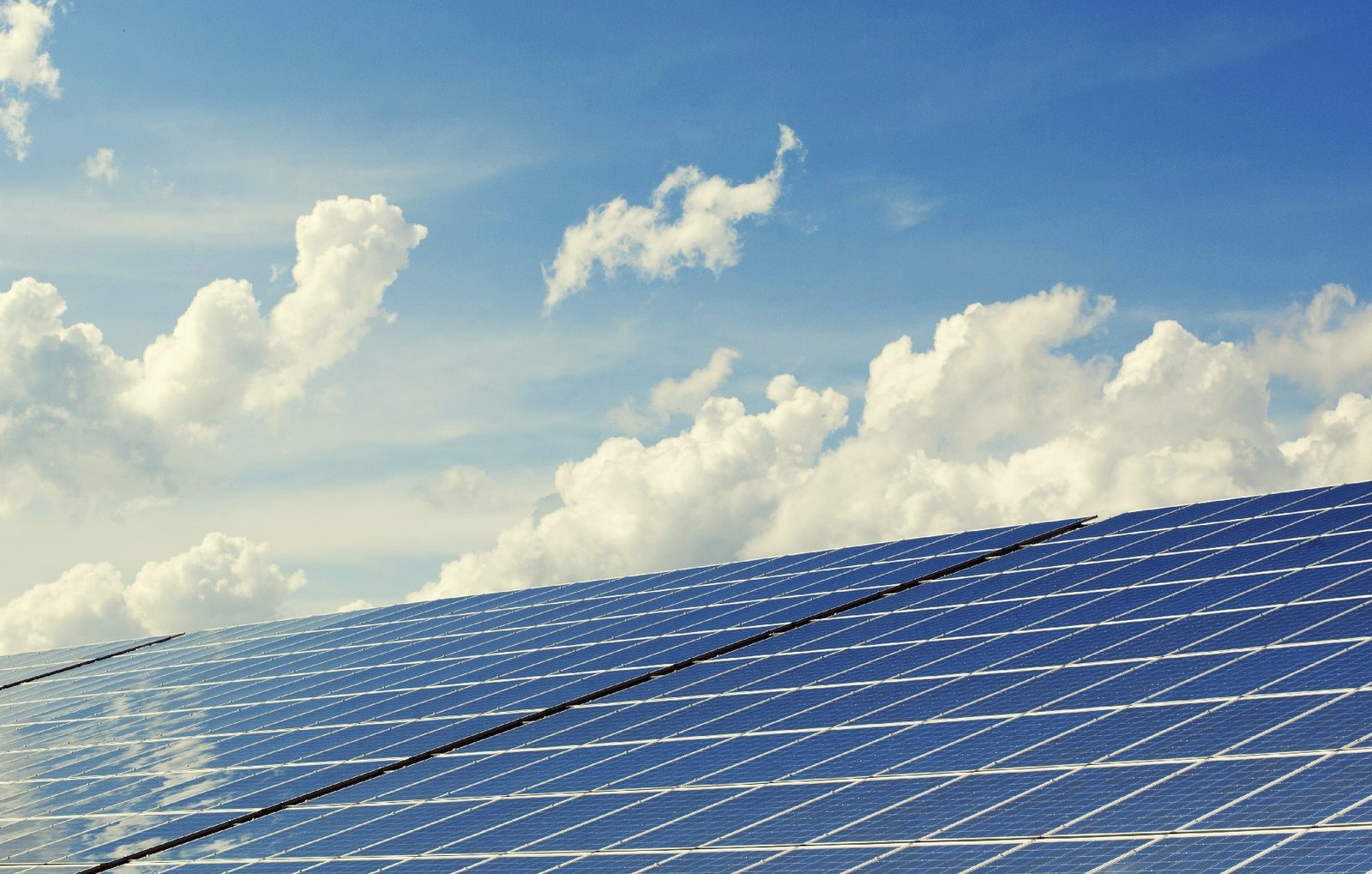
Introduction: Kenya, a country known for its rich cultural heritage and vibrant cuisine, is now making a name for itself in the realm of renewable energy. With a growing focus on sustainable practices and a commitment to minimizing the ecological impact, the marriage of renewable energy and Kenyan cuisine is becoming a fascinating and delicious concept. In this blog post, we explore how the use of renewable energy can enhance the traditional cooking methods and culinary experience in Kenya, leading to a greener and more sustainable future. Harnessing the Power of the Sun: One of the most abundant natural resources in Kenya is sunlight. With its location near the equator and an average of 300 sunny days per year, solar energy is an excellent renewable energy option. In rural areas where access to electricity is limited, solar cookers are gaining popularity. These innovative cookers, fueled by solar panels, capture and convert sunlight into heat energy. By harnessing the power of the sun, Kenyan households are now able to prepare their traditional meals without the need for firewood or charcoal, reducing deforestation and indoor air pollution. Waste Not, Want Not: Biogas and Biomass Energy: Another sustainable energy solution that is gaining traction in Kenya is biogas. Biogas is produced by the biological breakdown of organic matter, such as food waste and animal manure, in an anaerobic environment. This means that leftover food scraps from Kenyan cuisine, such as maize stalks, banana peels, and vegetable trimmings, can be utilized to produce renewable energy through biogas digesters. These digesters not only provide a cleaner and easily accessible source of cooking fuel but also contribute to waste management and reduce greenhouse gas emissions. Embracing the Power of Wind: With strong winds blowing across certain regions of Kenya, wind energy has become an increasingly viable option. Wind turbines are being utilized to generate electricity for powering kitchen appliances and cooking equipment in both urban and rural areas. This innovative use of wind energy allows traditional Kenyan dishes to be prepared using modern cooking tools, promoting efficiency and reducing reliance on fossil fuel-powered appliances. Community Empowerment through Hydropower: Kenya's landscape is adorned with numerous rivers and water bodies, providing ample potential for harnessing hydropower. Small-scale hydropower systems are being implemented in local communities to generate electricity for cooking, heating, and even powering small-scale food processing industries. By utilizing this renewable energy source, Kenyan communities are not only able to prepare their cuisine sustainably but also create local job opportunities and enhance the overall economic development. Conclusion: The intersection of renewable energy and Kenyan cuisine is a compelling avenue for embracing a more sustainable way of life. By adopting solar cookers, biogas digesters, wind turbines, and small-scale hydropower systems, the traditional cooking methods and culinary experiences in Kenya are being revolutionized. Not only does this shift foster environmental preservation, it also strengthens local communities, improves waste management, and promotes economic development. As we move towards a greener future, it is imperative to recognize the importance of incorporating renewable energy into our daily lives. The fusion of renewable energy and Kenyan cuisine not only provides us with mouthwatering delicacies but also serves as a reminder of the power of sustainable practices in shaping a better world for generations to come. To learn more, take a look at: http://www.africalunch.com To get more information check: http://www.keralachessyoutubers.com


