Useful links
Home Renewable Energy Financing Renewable Energy Policy Energy Storage Solutions Energy Efficiency
Home Renewable Energy Financing Renewable Energy Policy Energy Storage Solutions Energy Efficiency
Category : | Sub Category : Posted on 2023-10-30 21:24:53
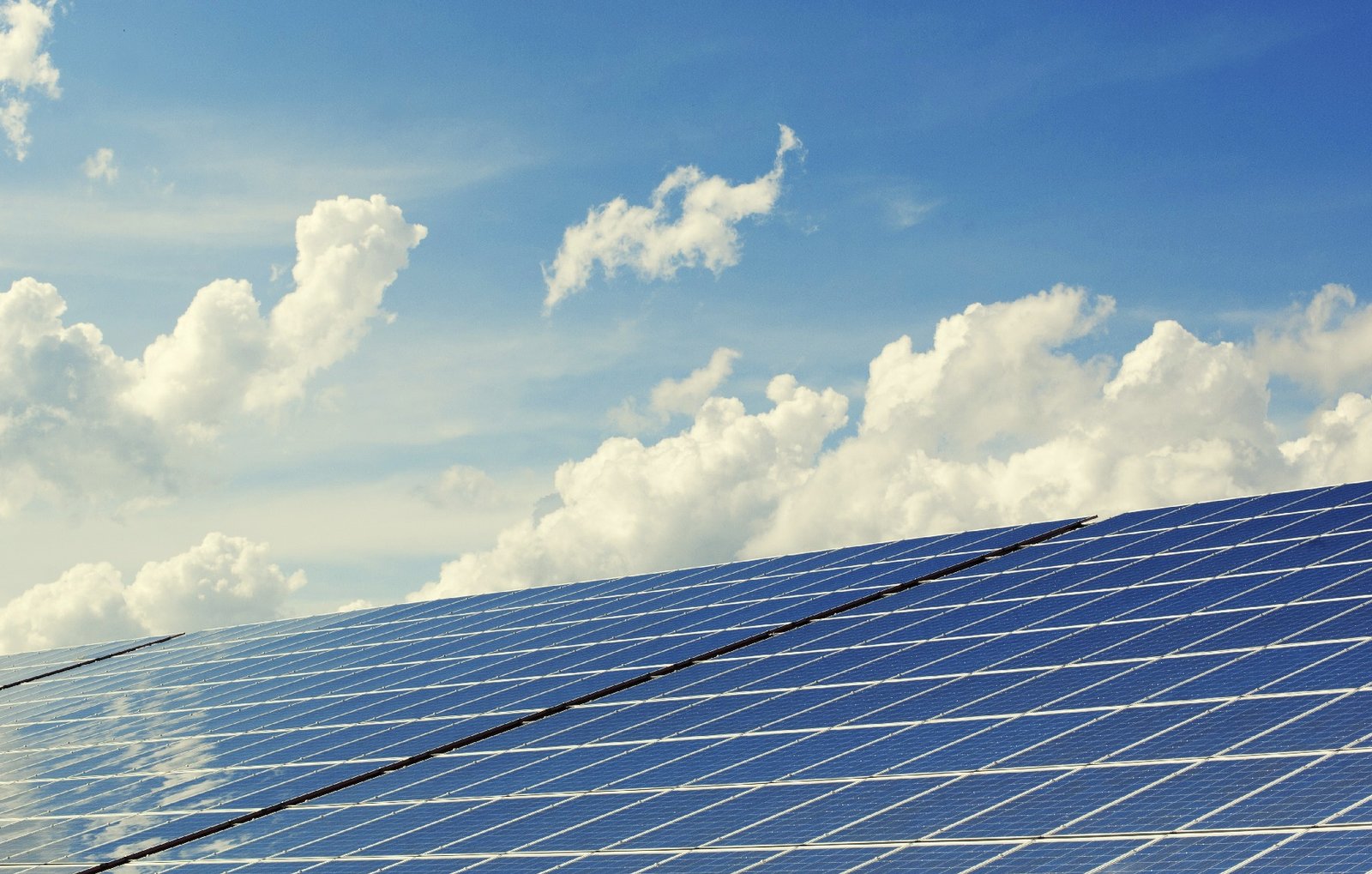
Introduction: Dairy farming is an essential industry that provides us with milk, cheese, yogurt, and many other dairy products that we enjoy on a daily basis. However, traditional dairy farming practices have not always been environmentally friendly. The good news is that the integration of renewable energy into dairy farming is changing the game. In this blog post, we will explore how renewable energy is revolutionizing the dairy farming industry, ensuring a more sustainable future for both farmers and consumers alike. 1. Solar Power: One of the most popular and widely adopted forms of renewable energy in dairy farming is solar power. Solar panels are being installed on dairy farms across the globe, harnessing the sun's energy to power various farm operations. These solar-powered systems provide electricity for milking machines, cooling systems, and other electrical equipment, reducing dependence on fossil fuels and lowering operational costs for farmers. Additionally, excess energy generated by solar panels can be sold back to the grid, creating an additional revenue stream for the farm. 2. Biogas Generation: Another innovative solution that is gaining traction in the dairy industry is biogas generation. Dairy farms produce a significant amount of organic waste, such as cow manure and leftover feed. Instead of letting this waste go to waste (!), farms are utilizing anaerobic digesters to convert these materials into biogas, a renewable energy source. Biogas can be used to generate heat and electricity, providing an alternative and sustainable energy source on the farm. Additionally, the byproduct of this process, known as digestate, can be used as a nutrient-rich fertilizer, reducing the need for chemical fertilizers and promoting soil health. 3. Wind Power: While solar power and biogas generation are commonly associated with dairy farming, wind power also has a role to play. Many dairy farms are located in rural areas with ample wind resources. Farmers are taking advantage of this by installing wind turbines to harness the power of the wind and convert it into electricity. Wind power can be used to complement solar power, providing a more reliable and consistent energy supply throughout the year. This diversification of renewable energy sources helps dairy farmers become more resilient and less dependent on conventional energy sources. 4. Energy Efficiency and Conservation: In addition to renewable energy generation, dairy farmers are implementing various energy efficiency and conservation measures to further reduce their carbon footprint. These include optimizing lighting systems, using energy-efficient equipment, and properly insulating buildings to minimize heat loss. By being mindful of energy consumption, dairy farmers can maximize the effectiveness of their renewable energy systems and achieve even greater energy savings. Conclusion: The integration of renewable energy into dairy farming is transforming the industry, paving the way for a more sustainable and environmentally friendly future. Solar power, biogas generation, wind power, and energy efficiency measures are revolutionizing the way dairy farms operate, reducing greenhouse gas emissions, minimizing waste, and lowering operational costs. By embracing renewable energy sources, dairy farmers are not only contributing to a cleaner planet but also ensuring a stable and economically viable future for their businesses. As consumers, we can support these efforts by choosing dairy products from farms that prioritize renewable energy. Together, we can make a positive difference in sustainability and drive the dairy industry towards a greener and more prosperous future. Discover new insights by reading http://www.xfarming.com If you are interested you can check the following website http://www.keralachessyoutubers.com


