Useful links
Home Renewable Energy Financing Renewable Energy Policy Energy Storage Solutions Energy Efficiency
Home Renewable Energy Financing Renewable Energy Policy Energy Storage Solutions Energy Efficiency
Category : | Sub Category : Posted on 2023-10-30 21:24:53
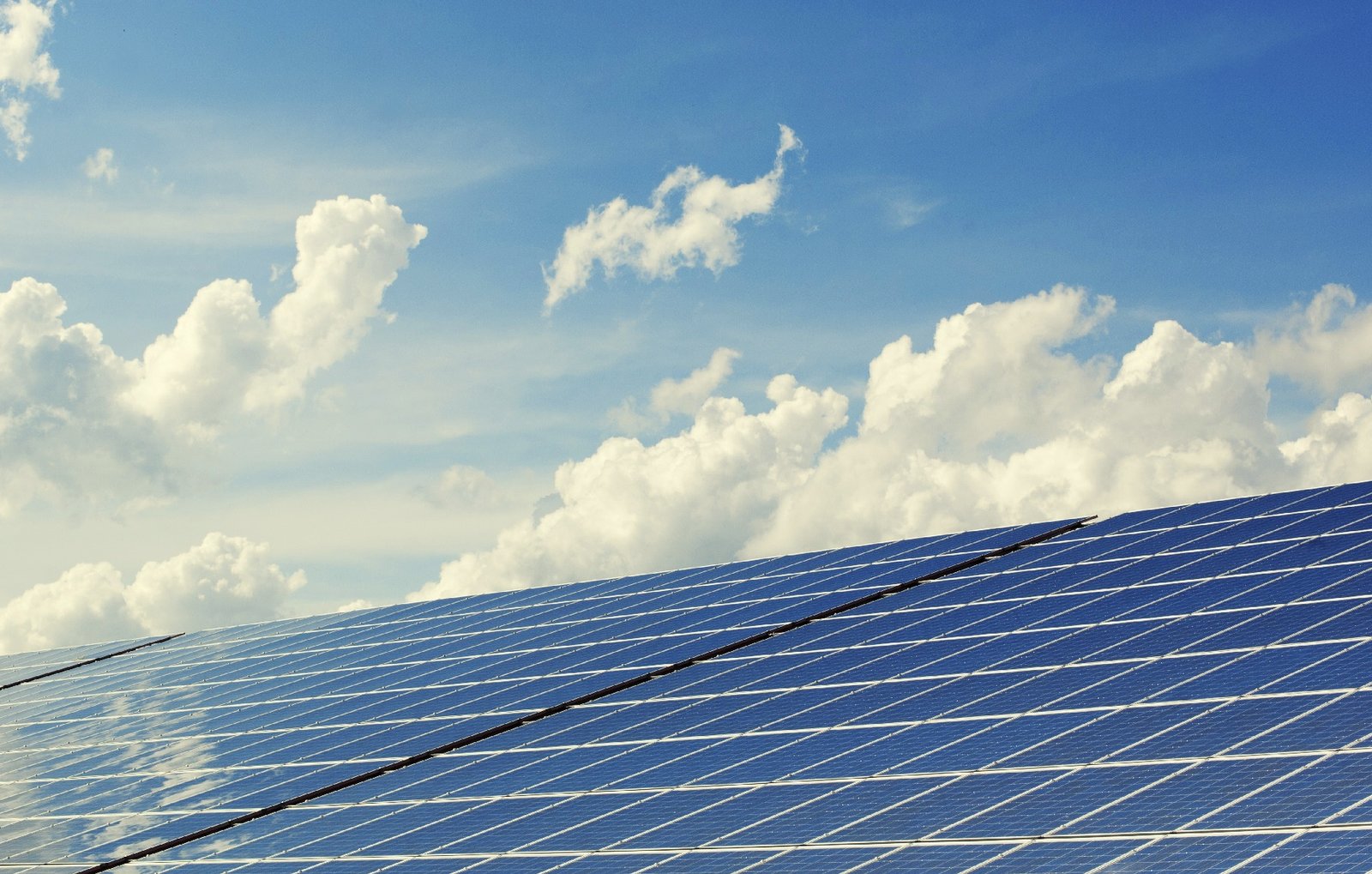
Introduction: In recent years, Pakistan has witnessed rapid urbanization and population growth, leading to increased energy demands and challenges. To tackle these issues, the integration of renewable energy in urban planning has emerged as a game-changer. This transformative approach not only addresses energy shortages and environmental concerns but also presents an opportunity for sustainable development and a brighter future for Pakistan. 1. The Need for Renewable Energy in Urban Planning: Pakistan faces a severe energy crisis, with frequent power shortages and dependency on fossil fuels. Urban areas, with their dense populations, industries, and residential sectors, contribute significantly to this crisis. Integrating renewable energy in urban planning offers a viable solution to meet increasing energy demands sustainably. It reduces reliance on non-renewable sources, minimizes greenhouse gas emissions, and mitigates environmental degradation. 2. Exploring Renewable Energy Options: Pakistan boasts vast renewable energy potential that remains largely untapped. In urban planning, several renewable energy options can be explored: a) Solar Power: With an abundance of sunlight throughout the year, solar power is a prime energy source in Pakistan. By incorporating solar panels on rooftops, solar streetlights, and solar-powered infrastructure, urban areas can become self-sufficient in terms of energy requirements. b) Wind Energy: Coastal regions, such as Sindh and Balochistan, have remarkable wind energy potential. By strategically integrating wind turbines in these areas, urban planners can harness this clean and inexhaustible resource to power urban infrastructure and reduce the load on the national grid. c) Biogas and Biomass: By utilizing organic waste from urban areas, such as agricultural residue, solid waste, or wastewater through anaerobic digestion, biogas and biomass energy systems can be established. These renewable sources can provide clean energy for various residential, commercial, and industrial purposes. 3. Benefits of Renewable Energy Integration: Incorporating renewable energy in urban planning offers numerous benefits that go beyond energy supply: a) Energy Independence: By diversifying the energy mix and reducing reliance on fossil fuels, Pakistan can become more resilient to energy crises and fluctuations in oil prices. b) Job Creation: The transition to renewable energy systems fuels job creation in manufacturing, installation, maintenance, and research. This can boost the economy and reduce unemployment rates. c) Reduced Environmental Impact: The adoption of renewable energy helps mitigate air and water pollution, combat climate change, and conserve natural resources. It improves the overall environmental quality of urban areas, leading to healthier and more sustainable living conditions for residents. d) Cost Savings: Although the upfront investment in renewable energy infrastructure might be higher, over time, it offers significant cost savings compared to traditional energy sources. The operational and maintenance costs of renewable energy systems are relatively lower than those of fossil fuel-based plants. 4. Challenges and the Way Forward: While the integration of renewable energy in urban planning presents countless opportunities, some challenges need to be addressed: a) Infrastructure Upgrades: Existing urban infrastructure may require upgrades to accommodate renewable energy systems effectively. This includes wiring, grid connections, and storage capabilities. b) Public Awareness and Acceptance: Raising awareness within communities about the benefits of renewable energy is crucial for successful integration. Education campaigns and outreach programs can help foster acceptance and encourage participation. c) Policy Support: The government should provide policy incentives, tax credits, and financing options to encourage investment in renewable energy initiatives. This will attract private sector participation and accelerate the transition towards sustainability. Conclusion: As Pakistan strives for sustainable development and a greener future, integrating renewable energy in urban planning emerges as a transformative solution. By capitalizing on the country's abundant renewable energy resources such as solar, wind, and biogas, urban areas can become self-sufficient, environmentally friendly, and economically prosperous. The journey to a more sustainable and resilient Pakistan begins with embracing renewable energy in our urban landscapes. also for more info http://www.uurdu.com also for more http://www.keralachessyoutubers.com


