Useful links
Home Renewable Energy Financing Renewable Energy Policy Energy Storage Solutions Energy Efficiency
Home Renewable Energy Financing Renewable Energy Policy Energy Storage Solutions Energy Efficiency
Category : | Sub Category : Posted on 2023-10-30 21:24:53
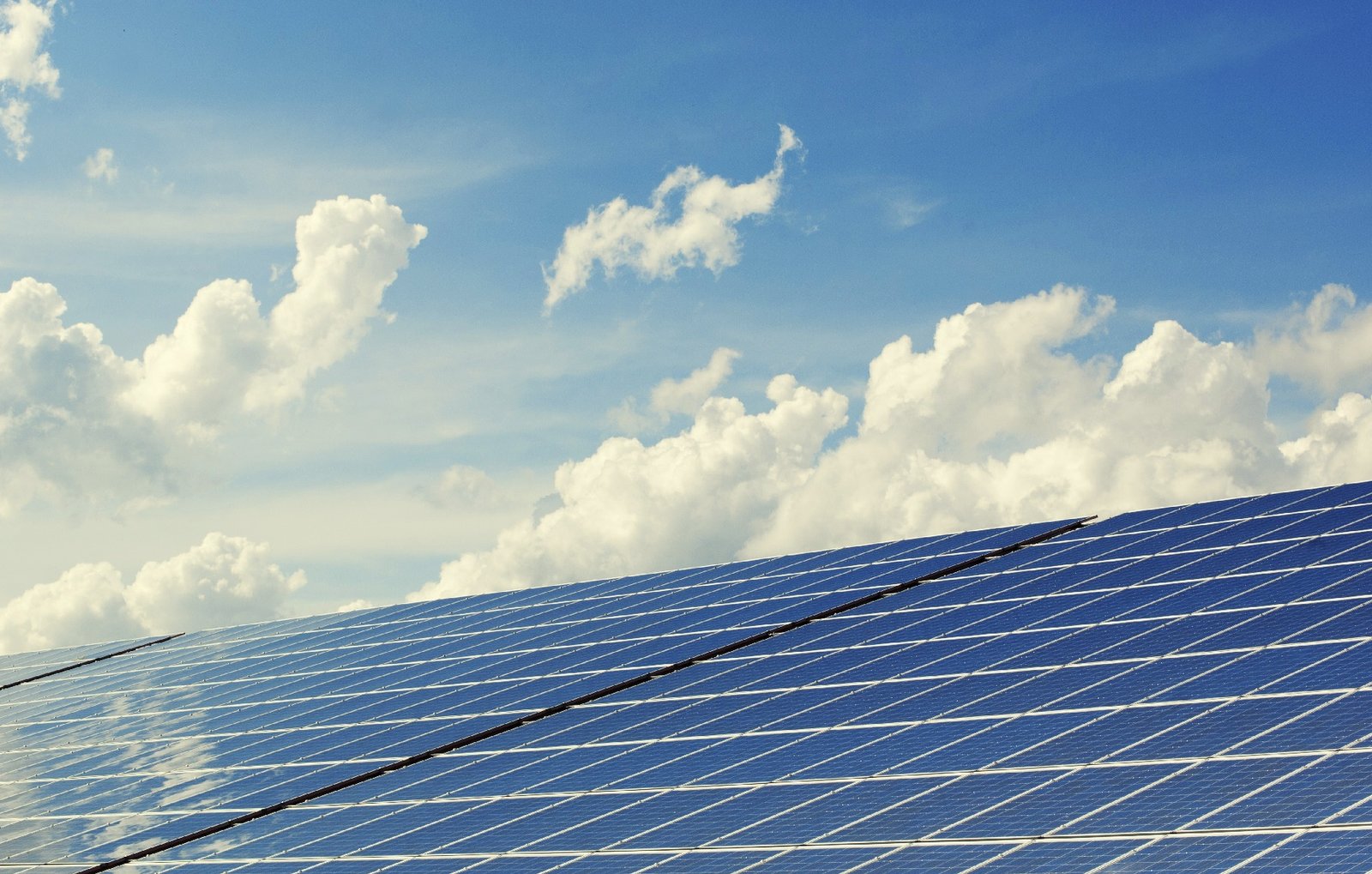
Introduction: The Internet of Things (IoT) has flourished as a groundbreaking technology, providing a vast range of interconnected devices that simplify and enhance our lives. One of the most significant advantages of IoT technology is its potential to revolutionize energy efficiency. In this blog post, we will explore how IoT is transforming the way we manage and conserve energy, leading to a greener and more sustainable future. 1. Smart Metering and Energy Consumption Monitoring: Traditional electricity meters are limited in their ability to provide real-time data on energy consumption. IoT technology allows for the deployment of smart meters, which offer accurate and up-to-date information on energy usage. With this data at our fingertips, we can better understand our energy consumption patterns, identify inefficiencies, and take proactive steps to reduce waste. 2. Smart Home Automation: IoT-enabled smart home devices play a central role in improving energy efficiency. From smart thermostats that learn and adjust according to our preferences, to smart lighting systems that automatically turn off when not in use, these devices eliminate the need for human intervention in managing energy consumption. Additionally, the ability to control and monitor these devices remotely through our smartphones empowers us to fine-tune our energy usage, further maximizing efficiency. 3. Energy-efficient Supply Chain Management: IoT technology is not limited to consumer-focused applications; it also has a transformative impact on industrial and commercial sectors. Within supply chain management, IoT devices can track energy usage across the production line, identifying bottlenecks and energy-intensive areas that need optimization. This data-driven approach enables businesses to streamline their operations and minimize energy waste, leading to substantial cost savings and reduced environmental impact. 4. Smart Grids and Load Balancing: IoT technology plays a vital role in the development of smart grids, which are intelligent electrical networks that incorporate two-way communication and real-time data analysis. With IoT devices installed throughout the grid, utilities can balance the demand and supply of electricity more efficiently. By optimizing energy distribution, reducing power outages, and managing peak-load demands, smart grids contribute to overall energy conservation. 5. Environmental Monitoring and Conservation: IoT sensors can monitor environmental parameters such as temperature, humidity, and air quality. This data helps us understand how our energy consumption impacts the environment and prompts us to adopt more sustainable practices. For instance, by taking into account real-time weather conditions and adjusting heating or cooling accordingly, we can reduce energy waste and minimize our carbon footprint. Conclusion: The internet of things has ushered in a new era of energy efficiency, transforming the way we consume, manage, and conserve energy. Through IoT devices like smart meters, home automation systems, and industrial monitoring tools, we can intelligently optimize our energy usage, leading to cost savings and a greener planet. As we continue to harness the power of IoT technology, its potential to reshape our energy landscape and create a sustainable future becomes even more apparent. Let us embrace this digital revolution and make our homes, businesses, and communities more energy-efficient than ever before.


