Useful links
Home Renewable Energy Financing Renewable Energy Policy Energy Storage Solutions Energy Efficiency
Home Renewable Energy Financing Renewable Energy Policy Energy Storage Solutions Energy Efficiency
Category : | Sub Category : Posted on 2023-10-30 21:24:53
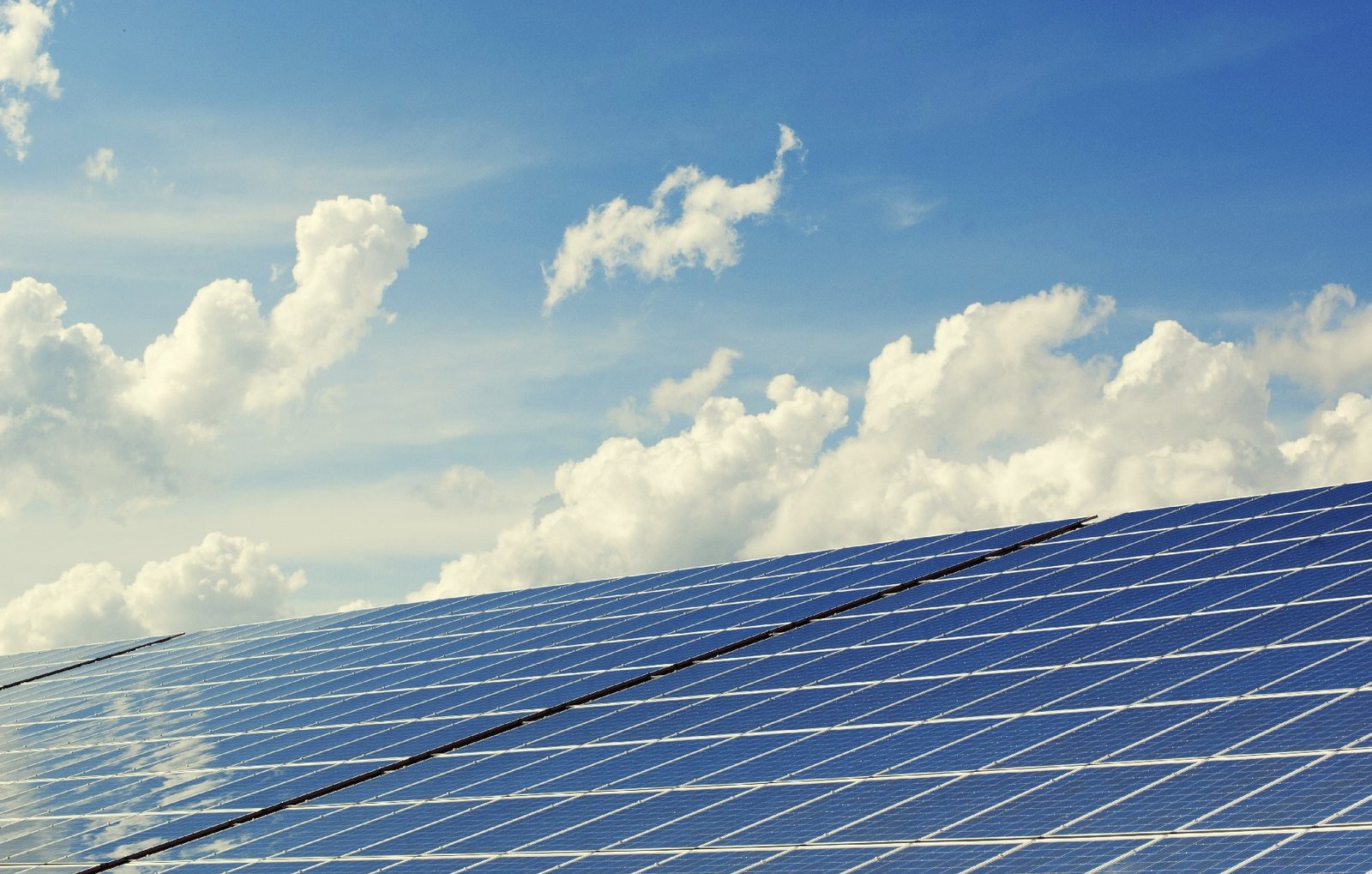
Introduction In recent years, Egypt has been making great strides towards a sustainable and renewable energy future. With its abundant sunlight and the government's commitment to reducing carbon emissions, solar power has emerged as a beacon of hope for the North African nation. In this blog post, we will delve into Egypt's progress in harnessing solar power and how it is reshaping the country's energy landscape. 1. The Potential of Solar Energy in Egypt Egypt is blessed with an exceptional solar resource, enjoying about 3,000 hours of sunshine annually. This makes it a prime location for solar power generation. The country's geographical location and diverse landscapes offer ample opportunities for both large-scale solar farms and decentralized solar installations on rooftops. 2. Government Initiatives Recognizing the need to transition from fossil fuels to renewable energy, the Egyptian government has rolled out several initiatives to promote solar power generation. The New and Renewable Energy Authority (NREA) and the Ministry of Electricity and Renewable Energy have been at the forefront of driving these initiatives. One notable project is the Benban Solar Park. Located in the governorate of Aswan, this mammoth project aims to be the world's largest solar park upon completion. The park, which comprises multiple solar farms, will have a combined capacity of 1.8 gigawatts (GW) and is expected to power more than one million homes, while helping reduce 2.04 million tons of carbon dioxide emissions annually. 3. Attracting Domestic and Foreign Investments Egypt's commitment towards solar power has attracted both domestic and foreign investors, contributing to the growth of the solar energy sector. The government has introduced attractive feed-in tariff schemes, offering long-term contracts to renewable energy projects at guaranteed prices. This has incentivized businesses and individuals to invest in solar power generation, helping to create job opportunities and boost economic growth. 4. Solar Power Projects in Remote Areas One of the notable advantages of solar power is its ability to provide electricity in remote areas far away from the conventional power grid. In Egypt, solar power projects have been instrumental in bringing electricity to rural communities that were previously underserved. These off-grid solar installations have not only improved the quality of life for the residents but have also opened up opportunities for education, healthcare, and economic development. 5. Overcoming Challenges Although Egypt has made significant progress in solar power, there are still challenges to address. One of the major hurdles is the intermittency of solar energy, as it relies on sunlight availability. To overcome this, the government is investing in grid infrastructure and adopting energy storage solutions to ensure a steady and continuous power supply. Conclusion Egypt's push towards solar power marks an exciting and transformative phase in the country's energy journey. With its abundant solar resources, government initiatives, and a growing number of investors, Egypt is well on its way to establishing a sustainable and renewable energy future. As the country embraces solar power, it not only reduces its reliance on fossil fuels but also paves the way for a greener and more prosperous Egypt. Want to learn more? Start with: http://www.egyptwn.com


