Useful links
Home Renewable Energy Financing Renewable Energy Policy Energy Storage Solutions Energy Efficiency
Home Renewable Energy Financing Renewable Energy Policy Energy Storage Solutions Energy Efficiency
Category : | Sub Category : Posted on 2023-10-30 21:24:53
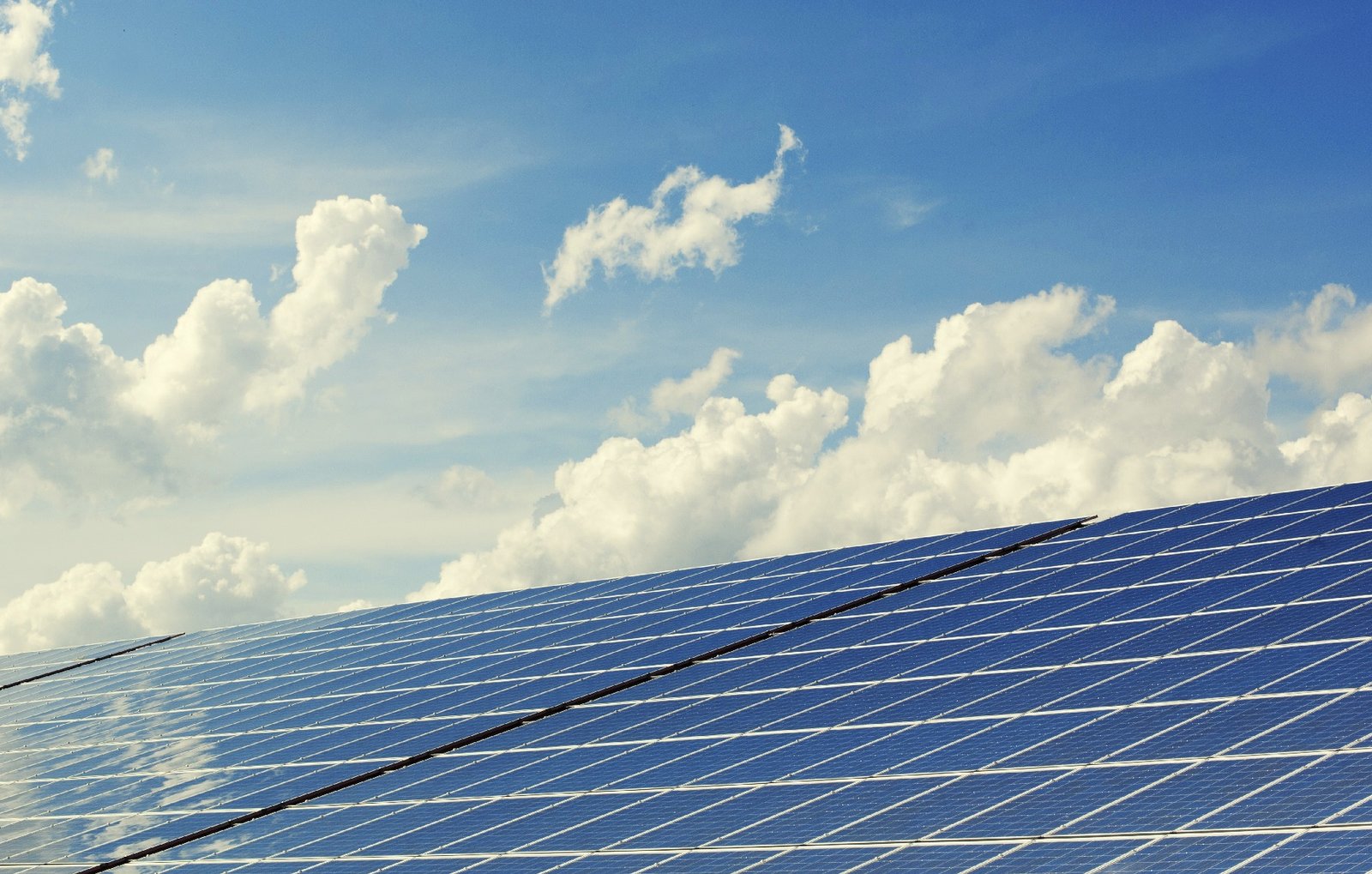
Introduction: The United Arab Emirates (UAE) is renowned for its grandeur and opulence, with cities like Dubai and Abu Dhabi standing as shining beacons of progress. However, amidst the luxurious skyscrapers and extravagant lifestyles, there is a growing recognition of the need to prioritize renewable energy and sustainable living. In recent years, both Dubai and Abu Dhabi have made significant strides in embracing clean energy solutions, positioning themselves as global leaders in promoting a greener future. 1. Commitment to Renewable Energy: Dubai and Abu Dhabi have set ambitious goals to increase their reliance on renewable energy sources and reduce their carbon footprint. Dubai's ambitious target is to generate 75% of its energy from clean sources by 2050, while Abu Dhabi has set a similar goal of generating 50% of its energy from renewable sources by 2050. Such commitments demonstrate their determination to shift away from fossil fuels and harness the power of sustainable technologies. 2. Investments in Solar Energy: Both cities are capitalizing on their prime geographic location by investing heavily in solar energy. Abu Dhabi's Noor Abu Dhabi, one of the world's largest single-site solar projects, has a capacity of 1.18 GW and powers approximately 90,000 homes, significantly reducing carbon emissions. Meanwhile, Dubai is home to the Mohammed Bin Rashid Al Maktoum Solar Park, a multi-phase project aimed at achieving a capacity of 5 GW by 2030. These initiatives not only enhance energy security but also contribute to the reduction of greenhouse gas emissions. 3. Green Building Initiatives: Sustainable living goes beyond energy production and consumption. Dubai and Abu Dhabi have prioritized green building initiatives to create smart and eco-friendly communities. Dubai's Sustainable City, for example, integrates sustainable technologies with a focus on reduced energy consumption, waste management, and preservation of natural resources. Similarly, Abu Dhabi's Masdar City adopts cutting-edge sustainable practices, aiming to be a zero-carbon, zero-waste city. 4. Water Conservation Efforts: As UAE cities are known for their lavish water features, conserving water resources is crucial for achieving sustainable living. Dubai and Abu Dhabi have been at the forefront of water conservation efforts through various innovative methods. These include water-efficient landscaping, smart irrigation systems, and the reclamation of treated wastewater for non-potable purposes. The recycling and reuse of water not only reduces strain on freshwater sources but also minimizes water-related energy consumption. 5. Electric Vehicle Infrastructure: To combat air pollution and reduce dependence on fossil fuels, Dubai and Abu Dhabi are actively promoting electric vehicles (EVs) and building supporting infrastructure. Both cities have implemented EV charging stations in public areas, shopping malls, and residential complexes, encouraging residents to adopt eco-friendly transportation options. In addition, governmental incentives, such as tax exemptions and free parking for EVs, have fueled the transition towards cleaner mobility. Conclusion: Dubai and Abu Dhabi's commitment to renewable energy and sustainable living showcases their dedication to a greener future. Through significant investments in solar energy, green building initiatives, water conservation efforts, and the promotion of electric vehicles, these cities are setting an example for the rest of the world. By prioritizing renewable energy and sustainable practices, Dubai and Abu Dhabi are not only protecting the environment but also ensuring a more prosperous and livable future for their residents and generations to come. To get a different viewpoint, consider: http://www.thunderact.com also for More in http://www.vfeat.com Seeking answers? You might find them in http://www.keralachessyoutubers.com


