Useful links
Home Renewable Energy Financing Renewable Energy Policy Energy Storage Solutions Energy Efficiency
Home Renewable Energy Financing Renewable Energy Policy Energy Storage Solutions Energy Efficiency
Category : | Sub Category : Posted on 2023-10-30 21:24:53
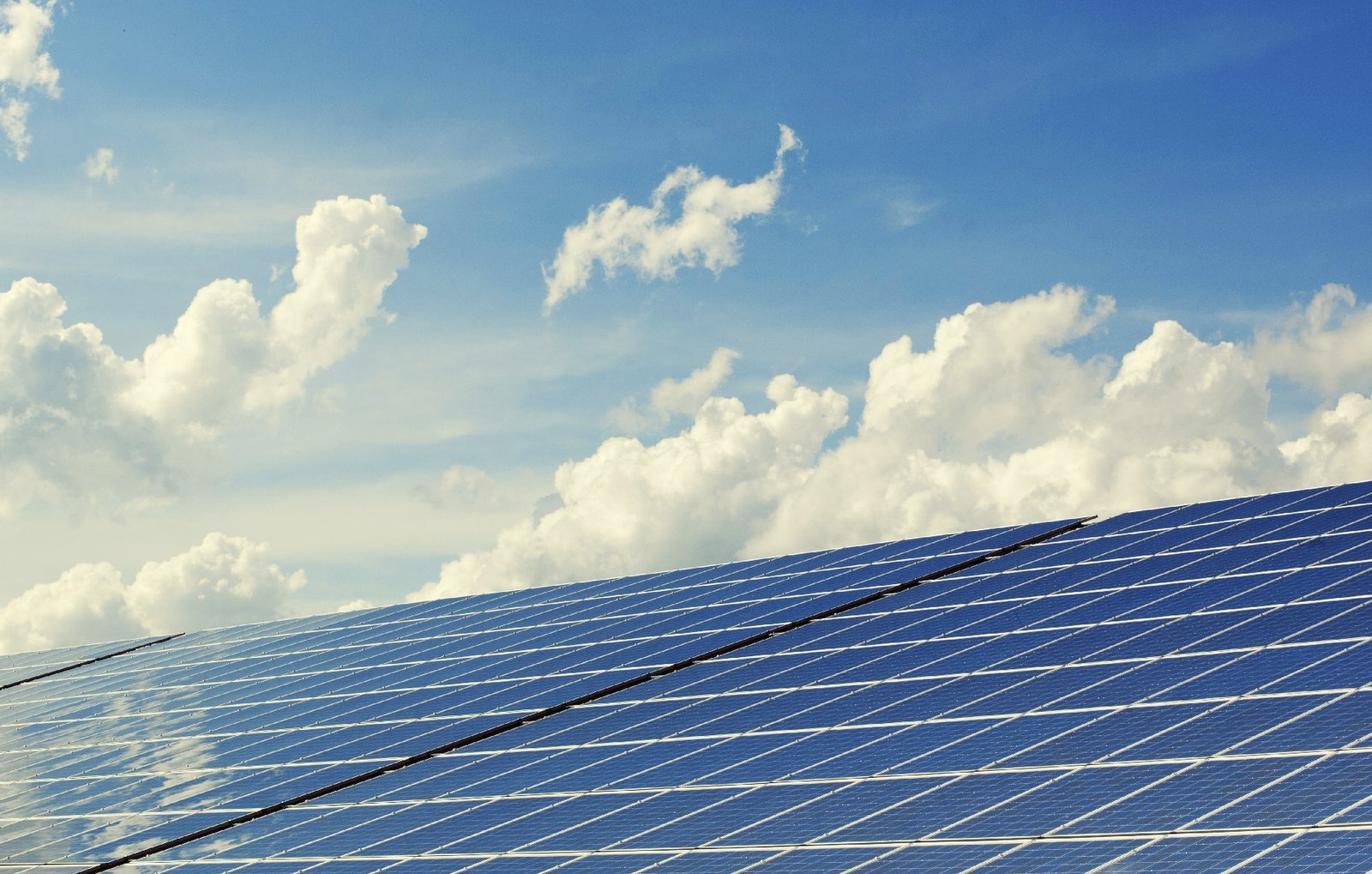
Introduction: In a world increasingly conscious about the environmental impact of fossil fuels, the importance of renewable energy sources cannot be overstated. Transitioning to renewable energy is not only beneficial for the planet but also for our wallets. This has led many homeowners to explore DIY home renewable energy solutions. In this article, we will dive into some exciting and practical ways to harness renewable energy for your home. 1. Solar Power: Solar energy is perhaps the most popular and accessible form of renewable energy for homeowners. Installing solar panels on your property can provide a clean and sustainable source of electricity. DIY solar panel kits are available, making it easier to embark on your solar journey. Research and determine the optimal number of solar panels needed, depending on your energy consumption, and take into account factors such as sun exposure and the angle of installation to ensure maximum efficiency. 2. Wind Power: If you live in an area with consistent wind patterns, harnessing wind power can be a viable renewable energy solution. DIY wind turbines can be installed on your property to generate electricity. Before diving into wind power, check local regulations and ensure you have enough open space to accommodate the wind turbine. With a bit of engineering know-how, you can build a small-scale wind turbine that can contribute to your home's energy needs. 3. Hydroelectric Power: If you have a natural water source like a stream or river on your property, consider using it to generate hydroelectric power. DIY micro-hydro systems can be installed to convert the flowing water's energy into electricity. This method requires a bit more expertise and planning, as it involves water flow measurements and the installation of turbines and generators. It's crucial to ensure your water source has the necessary flow and height to generate a significant amount of power. 4. Geothermal Heating and Cooling: Geothermal energy harnesses the consistent temperature below the ground to heat and cool your home. While this may not directly generate electricity, it is a highly efficient way to reduce your reliance on traditional heating and cooling systems. DIY geothermal systems involve drilling boreholes, installing ground loops, and setting up a heat pump. Although this option may require professional help for the more technical aspects, it can lead to substantial energy savings in the long run. Conclusion: Transitioning to renewable energy sources not only reduces our carbon footprint but also decreases dependence on non-renewable resources. With the availability of DIY options, homeowners can actively participate in sustainable practices and take control of their energy consumption and costs. Whether it's solar power, wind power, hydroelectric power, or geothermal systems, each option has its own considerations and benefits. Do your research, consult professionals as needed, and embark on your DIY home renewable energy journey to create a greener, more sustainable future for your home and the planet. Discover new insights by reading http://www.svop.org Explore this subject further for a deeper understanding. http://www.mimidate.com Want to gain insights? Start with http://www.keralachessyoutubers.com


