Useful links
Home Renewable Energy Financing Renewable Energy Policy Energy Storage Solutions Energy Efficiency
Home Renewable Energy Financing Renewable Energy Policy Energy Storage Solutions Energy Efficiency
Category : | Sub Category : Posted on 2023-10-30 21:24:53
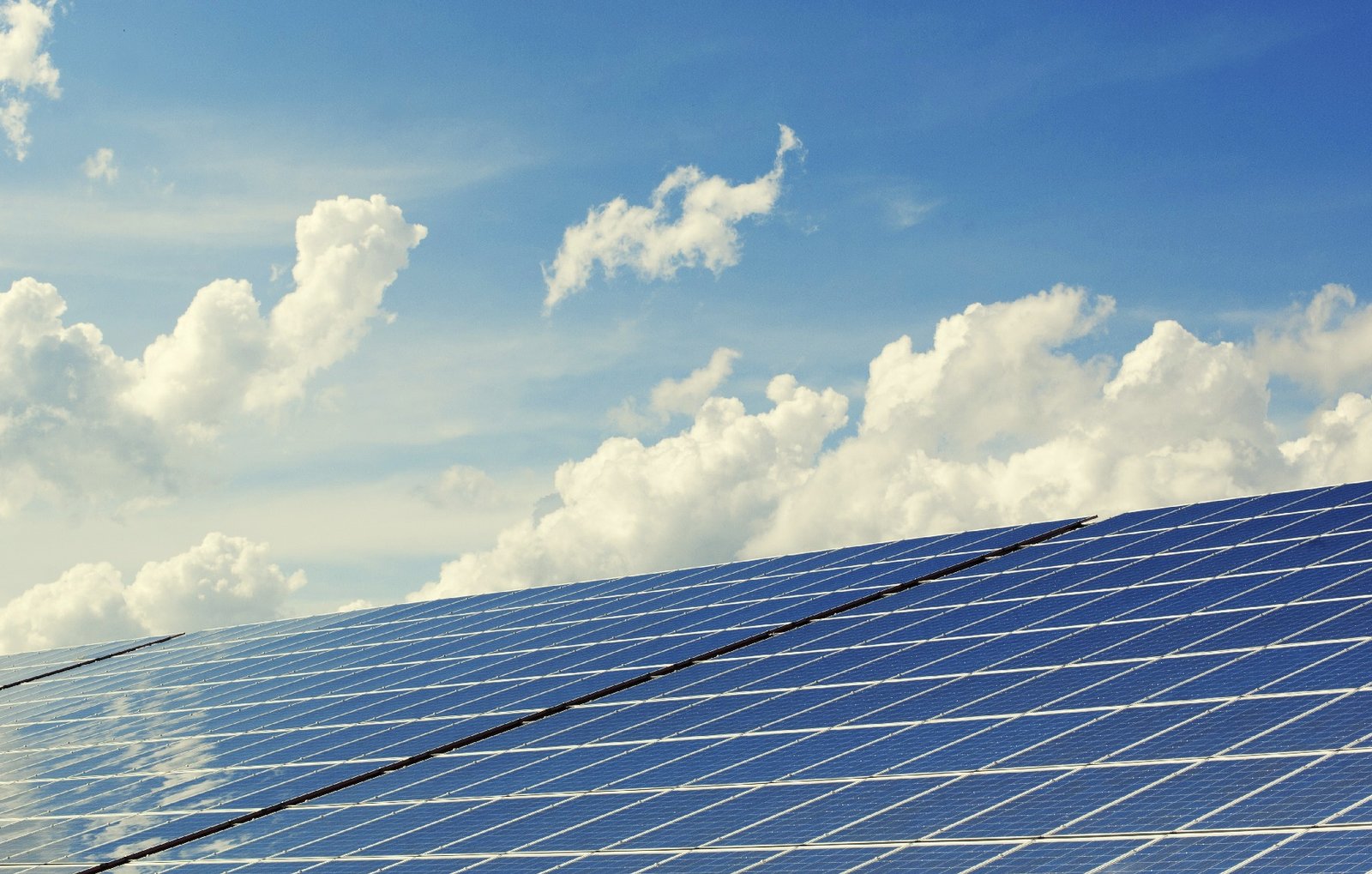
Introduction: In recent years, China has emerged as a global leader in renewable energy. The country's rapid economic growth and expanding population have led to a growing demand for energy, triggering a renewed focus on sustainable and clean alternatives. This blog post explores China's renewable energy economics, highlighting its achievements, challenges, and the path ahead for a greener future. 1. Setting the Stage: China's Energy Landscape China is the world's largest emitter of greenhouse gases, primarily due to its heavy reliance on coal for energy generation. This dependence has led to adverse effects on public health and the environment. To address these issues, the Chinese government introduced policies and incentives to promote renewable energy sources such as wind, solar, hydro, and biomass. 2. Massive Investments in Renewable Energy Infrastructure China's commitment to clean energy is demonstrated by its substantial investments in renewable energy infrastructure. The country has channelled billions of dollars into developing wind and solar farms, hydroelectric power plants, and biomass facilities. These investments have not only helped China reduce its carbon footprint but have also created job opportunities and boosted the domestic economy. 3. Wind and Solar Power: Leading the Way China has become a global leader in wind and solar power installations. The country accounts for more than 30% of the world's installed wind power capacity and leads in the production of solar panels. Government subsidies and incentives have played a crucial role in facilitating this growth, making wind and solar energy more economically competitive. 4. Hydroelectric Power: Tapping into Natural Resources China's vast network of rivers and mountainous terrain provides ample opportunities for hydroelectric power generation. The impressive Three Gorges Dam project on the Yangtze River is the world's largest hydroelectric power station. Besides its colossal capacity, China has numerous smaller hydropower plants, contributing significantly to both renewable energy generation and water resource management. 5. Challenges and Solutions Despite its progress, China faces significant challenges in harnessing the full potential of its renewable energy sector. Intermittency issues, the lack of advanced grid systems, and regional disparities pose hurdles to efficient energy transmission and storage. However, the Chinese government is actively working on solutions, including grid upgrades, energy storage innovations, and inter-regional power transmission. 6. The Future Outlook China's commitment to renewable energy is not limited to the domestic sector. The country is heavily investing in research and development, striving to increase efficiency, reduce costs, and enhance energy storage technologies. Additionally, China continues to expand its footprint globally by exporting renewable energy technology to countries around the world. This reinforces the notion that green energy will not only benefit China but serve as a catalyst for sustainable development worldwide. Conclusion: China's journey towards renewable energy economics represents a remarkable shift in its energy landscape. The country's immense investments, policy support, and technological advancements have driven significant progress in wind, solar, hydro, and biomass sectors. Despite facing challenges, China's dedication to a sustainable future and its ambition to become a global leader in renewable energy make it an epicentre of innovation and change. As China continues its transition towards a greener economy, the world eagerly watches, hoping to learn from its successes and contribute to a brighter future for our planet. To get all the details, go through http://www.soitsyou.com For a broader perspective, don't miss http://www.keralachessyoutubers.com


