Useful links
Home Renewable Energy Financing Renewable Energy Policy Energy Storage Solutions Energy Efficiency
Home Renewable Energy Financing Renewable Energy Policy Energy Storage Solutions Energy Efficiency
Category : | Sub Category : Posted on 2023-10-30 21:24:53
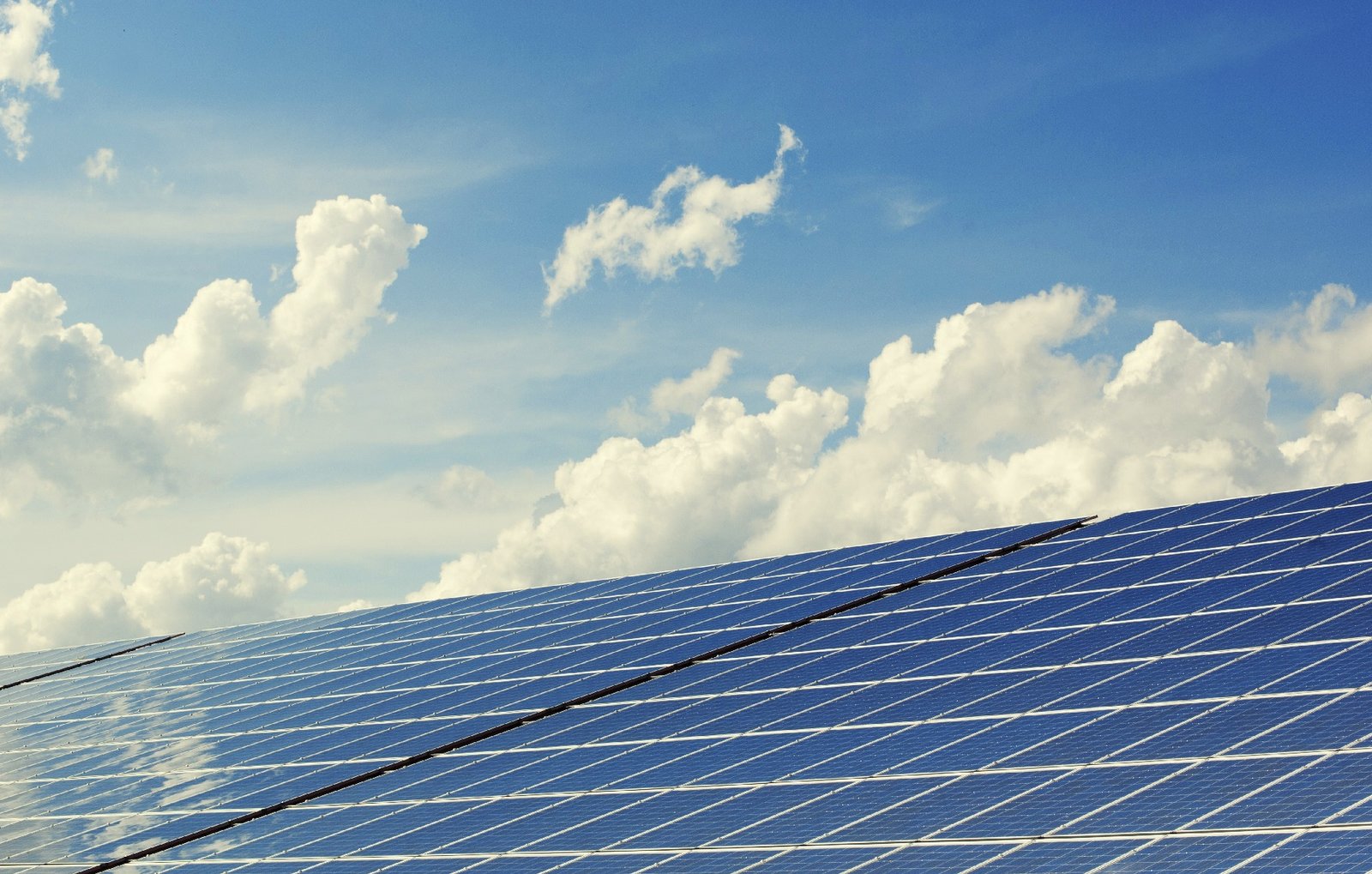
Introduction: Artificial intelligence (AI) has rapidly gained momentum in various sectors, revolutionizing industries and unlocking a new era of possibilities. One area where AI shows immense potential is solar power. By integrating AI algorithms and machine learning techniques into solar energy systems, we can optimize efficiency, reduce costs, and enhance the overall performance of solar panels. In this blog post, we will delve into the interplay between AI and solar power and explore how this synergy can shape the future of renewable energy. 1. Predictive Analytics and Demand Forecasting: Solar power generation heavily relies on the availability of sunlight, which is often subject to natural variations. By leveraging AI technologies, we can develop predictive models that analyze historical data and weather patterns to forecast solar irradiance. By accurately predicting solar production, we can optimize energy storage systems, minimize grid load imbalances, and meet the fluctuating demands of consumers. 2. Solar Panel Optimization: AI can significantly enhance the optimization of solar panels at both the individual and collective levels. Through computer vision and image processing, AI algorithms can perform real-time monitoring of solar panels, identifying faults, degradation, or damage. By detecting and rectifying issues promptly, AI empowers us to improve the overall performance and reliability of solar panels, bolstering their lifespan and energy production capabilities. 3. Intelligent Tracking Systems: Another area where AI can make a substantial impact is solar panel tracking systems. Rather than relying on fixed mounting solutions, AI-enabled tracking algorithms can optimize the positioning of solar panels in real-time, aligning them with the sun's movement. By efficiently tracking sunlight throughout the day, this technology maximizes energy production, delivering higher yields compared to traditional fixed systems. 4. Energy Management and Grid Integration: As the adoption of solar power continues to grow, managing the intermittency associated with renewable energy sources becomes a critical challenge. AI can play a pivotal role in optimizing energy management within the grid. By leveraging AI algorithms, we can create smart energy systems that balance solar power generation with storage capabilities, demand fluctuations, and grid constraints. This not only ensures optimal utilization of solar energy but also promotes grid stability and reliability. 5. Advanced Maintenance and Fault Diagnosis: Maintaining and servicing a large-scale solar energy system can be a daunting task. However, AI-powered solutions can simplify this process by automating maintenance routines and diagnosing faults. By continuously monitoring solar panel performance, AI algorithms can proactively identify abnormalities, triggering alerts for maintenance personnel before the issues escalate. This proactive approach minimizes downtime, reduces repair costs, and maximizes long-term system efficiency. Conclusion: The integration of artificial intelligence with solar power systems represents a promising avenue for the advancement of renewable energy. AI's ability to predict solar irradiance, optimize panel performance, manage energy, and enable intelligent tracking systems will enhance the efficiency, reliability, and cost-effectiveness of solar energy. By harnessing the power of AI, we can pave the way for a sustainable future, driving the global transition towards renewable sources of power. For a detailed analysis, explore: http://www.thunderact.com If you are enthusiast, check the following link http://www.vfeat.com


