Useful links
Home Renewable Energy Financing Renewable Energy Policy Energy Storage Solutions Energy Efficiency
Home Renewable Energy Financing Renewable Energy Policy Energy Storage Solutions Energy Efficiency
Category : | Sub Category : Posted on 2023-10-30 21:24:53
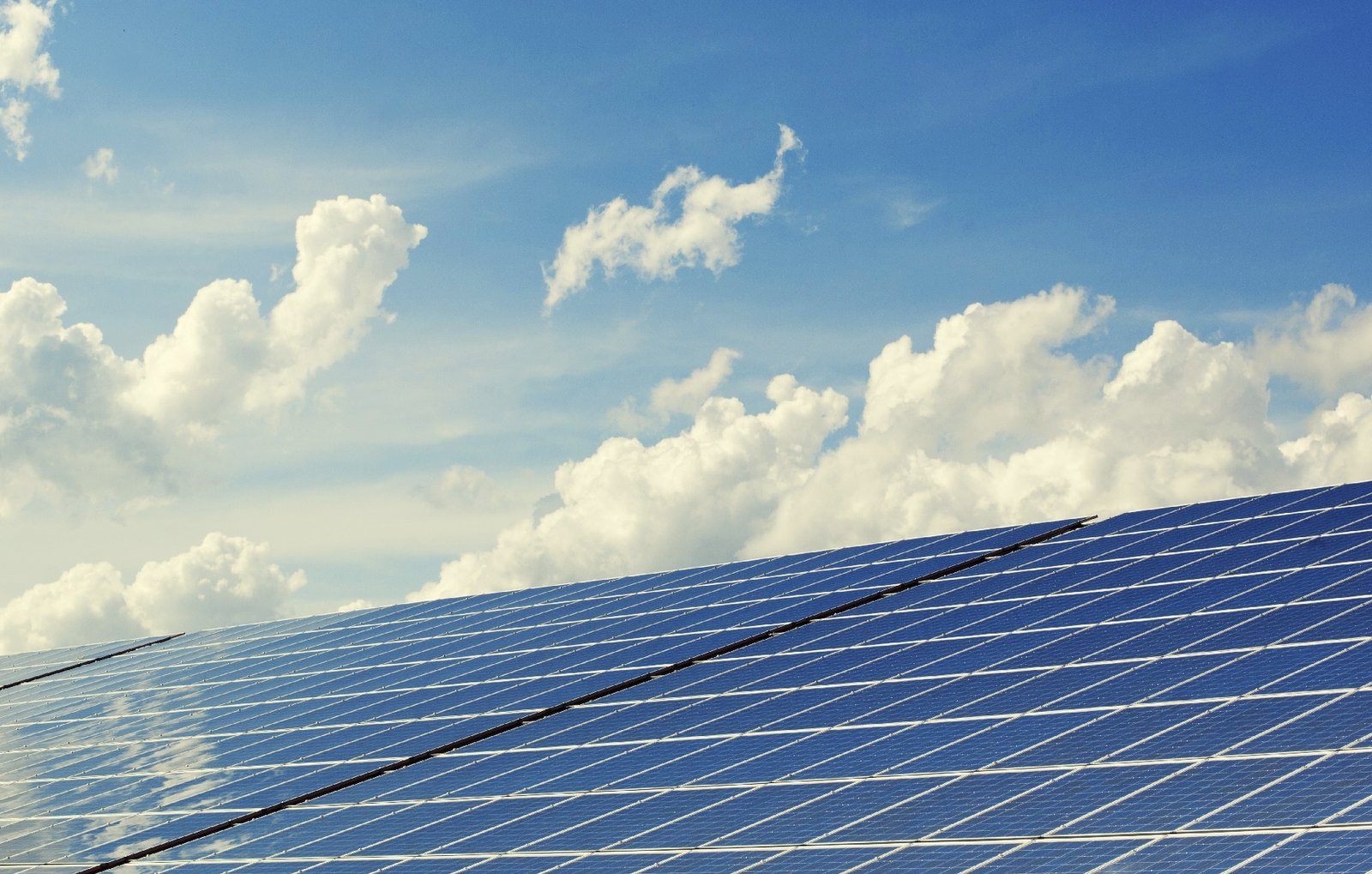
Introduction: In recent years, Arab countries have been at the forefront of renewable energy adoption, particularly when it comes to solar power. The abundant sunshine in the region provides an unparalleled opportunity for harnessing clean energy. This blog post explores the advancements and initiatives in Arab countries towards the development and implementation of solar power. 1. The Potential and Benefits of Solar Power in Arab Countries: Arab countries are blessed with one of the world's highest solar irradiation levels, making them ideal for solar power projects. The utilization of solar energy can have numerous benefits for these nations, including reducing reliance on fossil fuels, promoting energy independence, creating job opportunities, and mitigating climate change. With the global community's increasing focus on sustainability, harnessing solar power is a smart and strategic move for Arab countries. 2. Investments and Initiatives: Recognizing the potential of solar energy, Arab countries have made significant investments in solar power projects. Jordan, for example, launched the Shams Ma'an solar power plant, one of the largest in the Middle East. The UAE is also a global leader in solar power, with iconic projects like the Mohammed bin Rashid Al Maktoum Solar Park. These initiatives not only generate clean energy but also attract foreign investment and contribute to economic growth. 3. The Role of Saudi Arabia: Saudi Arabia, as the largest Arab economy and a major player in the global energy market, has set ambitious goals for solar power. The Kingdom's Vision 2030 aims to increase the share of renewable energy, including solar, in its energy mix. The Saudi government has launched various projects and initiatives, such as the Sakaka solar power plant, to diversify their energy sources and reduce environmental impact. With its vast desert landscapes and optimal conditions for solar installations, Saudi Arabia is poised to become a solar power giant in the region. 4. Overcoming Challenges: While Arab countries have made significant progress in solar power adoption, several challenges still need to be addressed. These include grid integration, storage technologies, policy frameworks, and financing mechanisms. Governments in the region need to continue supporting the development of solar energy through incentives, regulations, and capacity building. Collaboration with international organizations and knowledge sharing among Arab countries can also help overcome these challenges effectively. 5. Impacts on the Environment and Economy: The transition to solar power in Arab countries has far-reaching implications. By reducing greenhouse gas emissions and air pollution, solar energy helps combat climate change and improves air quality, benefiting both the environment and public health. Moreover, the solar power sector provides job opportunities, stimulates economic growth, and enhances technological innovation. As Arab countries strive to diversify their economies, investing in solar energy contributes to sustainable development and a greener future. Conclusion: Arab countries are seizing the potential of solar power, driven by the region's abundant sunlight and a growing commitment to renewable energy. Governments and organizations in the region are investing heavily in solar power projects, setting ambitious goals for a sustainable future. With the support of robust policies, technological advancements, and international collaborations, the Arab world is well on its way to becoming a global leader in solar energy. Embracing solar power not only provides economic and environmental benefits but also positions the region as a role model for renewable energy adoption worldwide. To get a different viewpoint, consider: http://www.onlinebanat.com


