Useful links
Home Renewable Energy Financing Renewable Energy Policy Energy Storage Solutions Energy Efficiency
Home Renewable Energy Financing Renewable Energy Policy Energy Storage Solutions Energy Efficiency
Category : | Sub Category : Posted on 2023-10-30 21:24:53
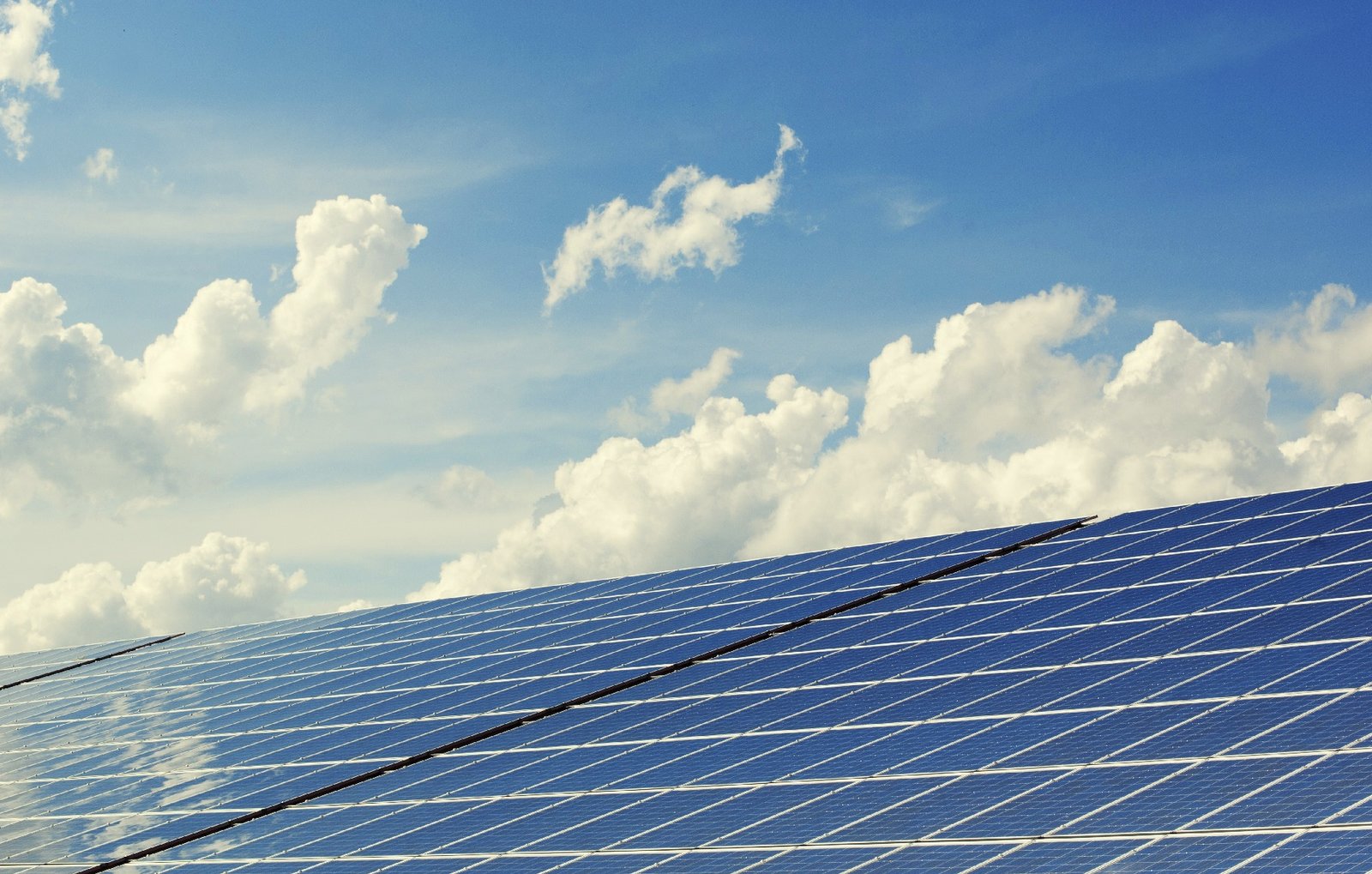
Africa, with its abundant sunshine, is poised to lead the global clean energy transition through the widespread adoption of solar power. The continent's untapped solar potential is vast, offering a promising solution to both the region's energy challenges and its quest for sustainable development. Solar power is a renewable source of energy that is produced by capturing the sun's rays and converting them into electricity or heat. It is a clean alternative to traditional fossil fuel-based energy, resulting in reduced greenhouse gas emissions and air pollution. This aspect is particularly crucial for Africa, as the continent grapples with the detrimental effects of climate change. One of the main advantages of solar power is its accessibility. Unlike fossil fuels, the sun's energy is accessible to all, regardless of location or infrastructure. This makes solar power an ideal solution for rural and remote areas in Africa that are not connected to the grid. Harnessing the power of the sun can bring electricity and modern amenities to communities that have long been kept in the dark. Furthermore, solar power has the potential to revolutionize Africa's energy sector by diversifying its energy mix. Currently, many African countries heavily rely on fossil fuels, which can be expensive, unreliable, and environmentally damaging. By embracing solar energy, these countries can reduce their dependence on imported fuels and create a more sustainable and resilient energy system. Solar power also offers economic benefits. The installation and maintenance of solar panels require a skilled workforce, creating job opportunities and driving economic growth. The solar industry in Africa has the potential to become a major employer, particularly for young people, who make up a significant demographic in the continent. Moreover, solar power can reduce energy costs for businesses and households, freeing up resources for other essential needs. In recent years, several African countries have taken significant steps towards promoting solar power. For instance, Morocco, a leader in renewable energy development, has invested heavily in solar projects, including the world's largest concentrated solar power plant. South Africa has also made significant strides in solar energy, with numerous large-scale solar farms operating in the country. Support from various international organizations, such as the World Bank and the International Renewable Energy Agency (IRENA), has been instrumental in accelerating Africa's solar power revolution. These organizations have provided financial assistance, technical expertise, and policy guidance, enabling African countries to overcome barriers and unlock their solar potential. However, challenges remain in scaling up solar power in Africa. The initial costs of solar installation can be prohibitive for some countries or communities, requiring innovative financing mechanisms to overcome this hurdle. Additionally, ensuring that solar projects are inclusive and benefit all segments of society is crucial in addressing existing inequalities. The future of Africa's energy landscape lies in the sun. Solar power has the potential to transform Africa's future by providing clean, affordable, and accessible energy to millions of people. It is a catalyst for sustainable development, powering economic growth, improving livelihoods, and mitigating climate change. With continued support and investment, Africa can lead the world in harnessing the power of the sun and create a brighter and more sustainable future for all. To gain a holistic understanding, refer to http://www.afrospaces.com


